Cofactor rather than peptide
Nicotinamide adenine dinucleotide is a dinucleotide cofactor. The oxidized and reduced forms, NAD+ and NADH, participate in electron-transfer reactions. NAD-related research therefore overlaps with energy metabolism, but NAD+ is not itself ATP and should not be described as a direct measurement of cellular energy.
Different compartments, different questions
A 2020 study identified SLC25A51 as a mammalian mitochondrial NAD+ transporter. Reducing this protein lowered mitochondrial NAD+ and impaired respiration without an equivalent reduction in the whole-cell NAD+ pool. This illustrates why a single blood or whole-cell measurement may not describe what is happening in every compartment.
Consumption pathways and aging models
A mouse study linked the NAD-consuming enzyme CD38 with age-associated NAD decline and mitochondrial changes involving SIRT3. This work helps explain interest in NAD metabolism, but it does not show that supplying NAD+ reverses aging in humans. NAD+, nicotinamide, NR and NMN are different materials; evidence for one should not be transferred automatically to another.
Research topics at a glance
- Mitochondrial and cellular energy metabolism
- DNA-repair and stress-response enzymes
- Aging-related changes in NAD metabolism
- Differences among NAD+, NR, NMN and other precursors
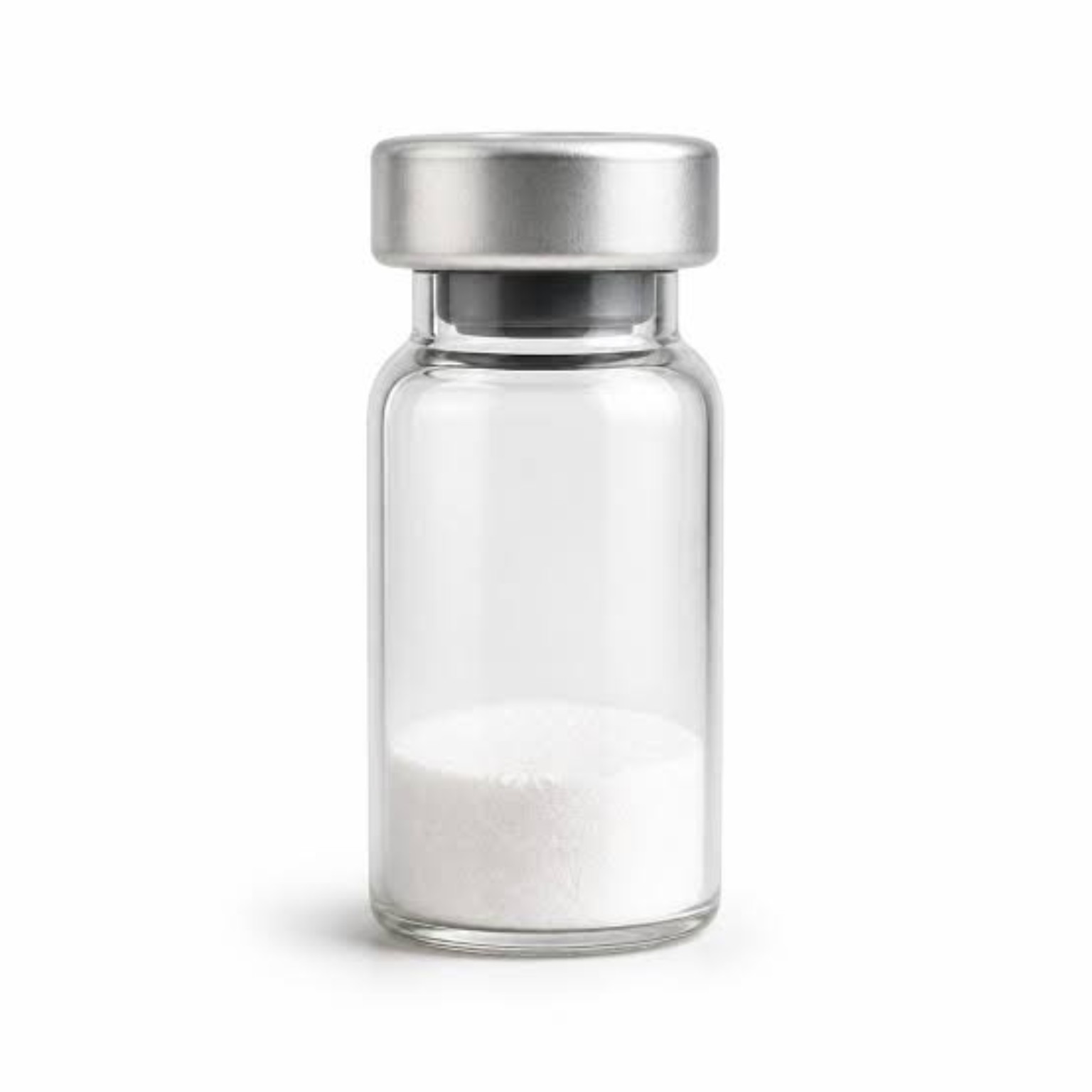
Understanding the reference vial
The amount printed on a vial identifies its stated catalog content, not an experimental concentration or a recommended dose. The current app listing and the matching batch documentation should be used when checking the material actually available. Illustrations identify the compound and are not a certificate of its contents.
Interpreting the evidence
A research paper describes the material and conditions used by its investigators. It does not test every commercial source. A matching analytical report can help address identity or content, but it does not by itself establish clinical effectiveness, sterility, or safety. Keep analytical quality and biological evidence as separate questions.
Sources and further reading
For research reference only. Not medical advice or a recommendation for human or veterinary use. No dosing or administration instructions are provided.